ESG Doesn't Live on a Slide. It Lives in the Walls.
For most companies ESG is a report. In the best workplaces, it's built into the materials, the air, and the way the space is run.

Introduction
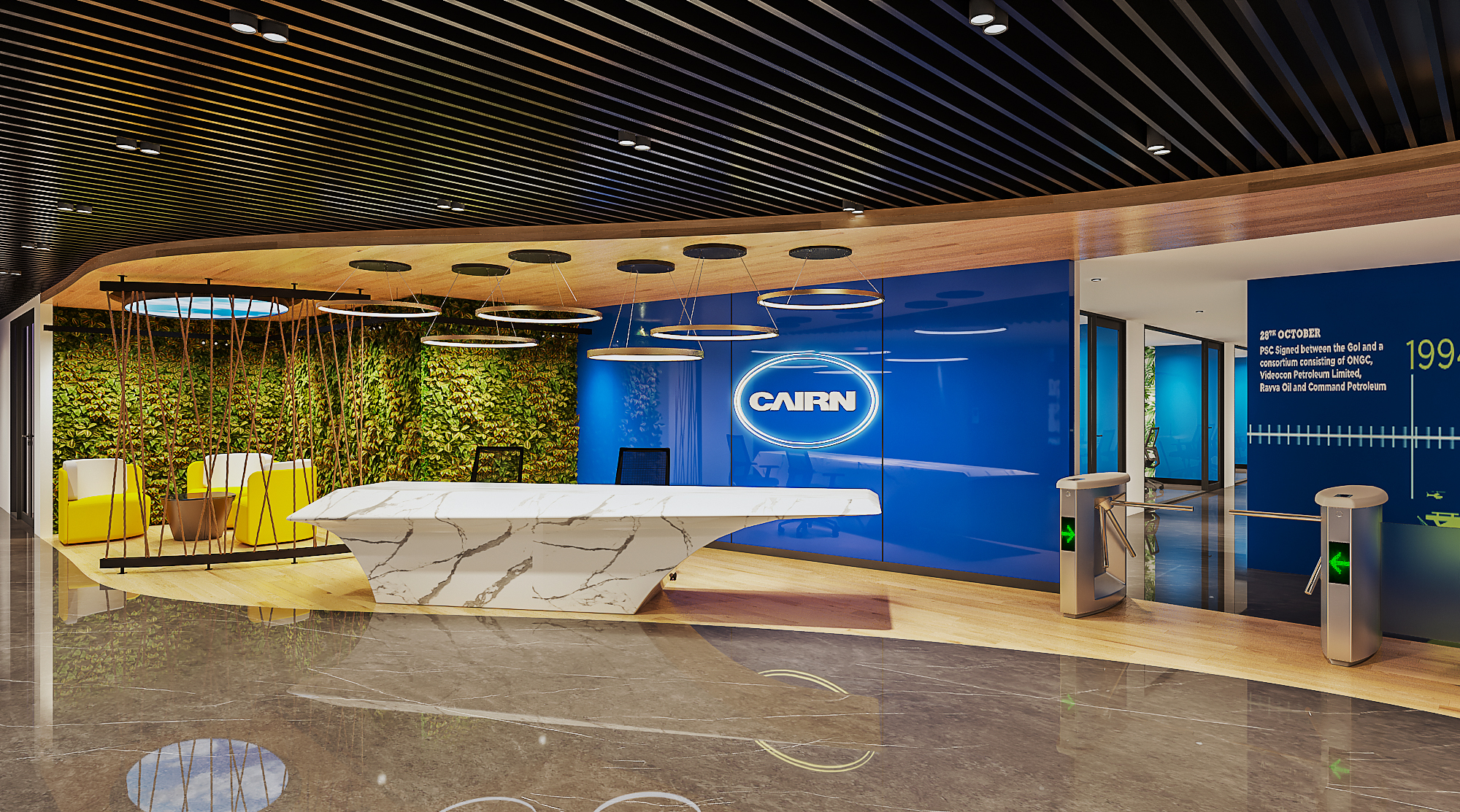
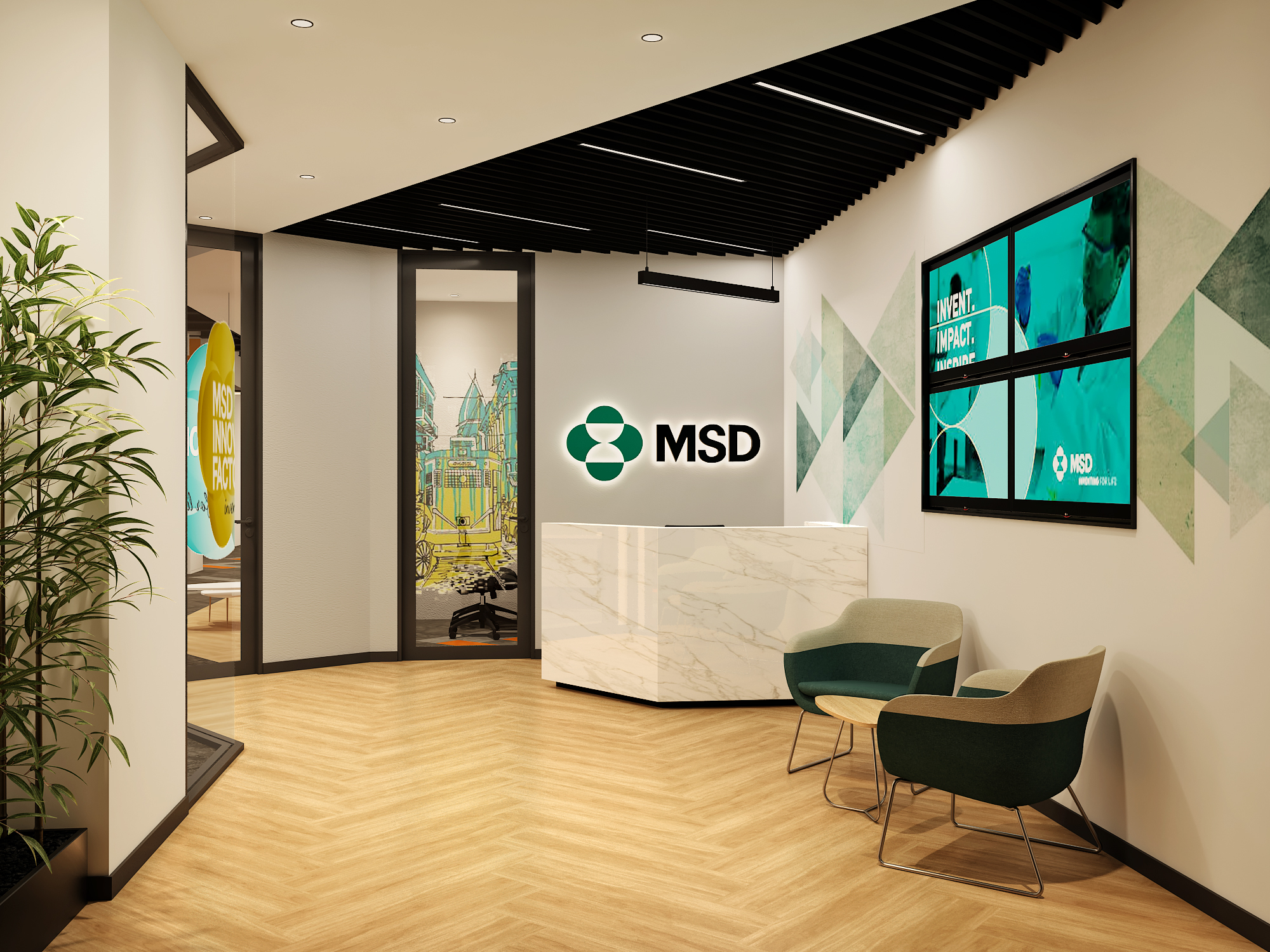
For most companies, ESG shows up once a year: a report filed with the regulator, a policy nobody reads, a slide near the back of the board deck. Walk into the workplaces that take it seriously and it sits somewhere else, in the materials on the walls, the air people breathe, the light they work by, and the data on the screen near reception. The gap between ESG that's reported and ESG that's built is the gap between a claim and a building that backs it up.
The 'E' Starts at the Brief, Not the Certificate
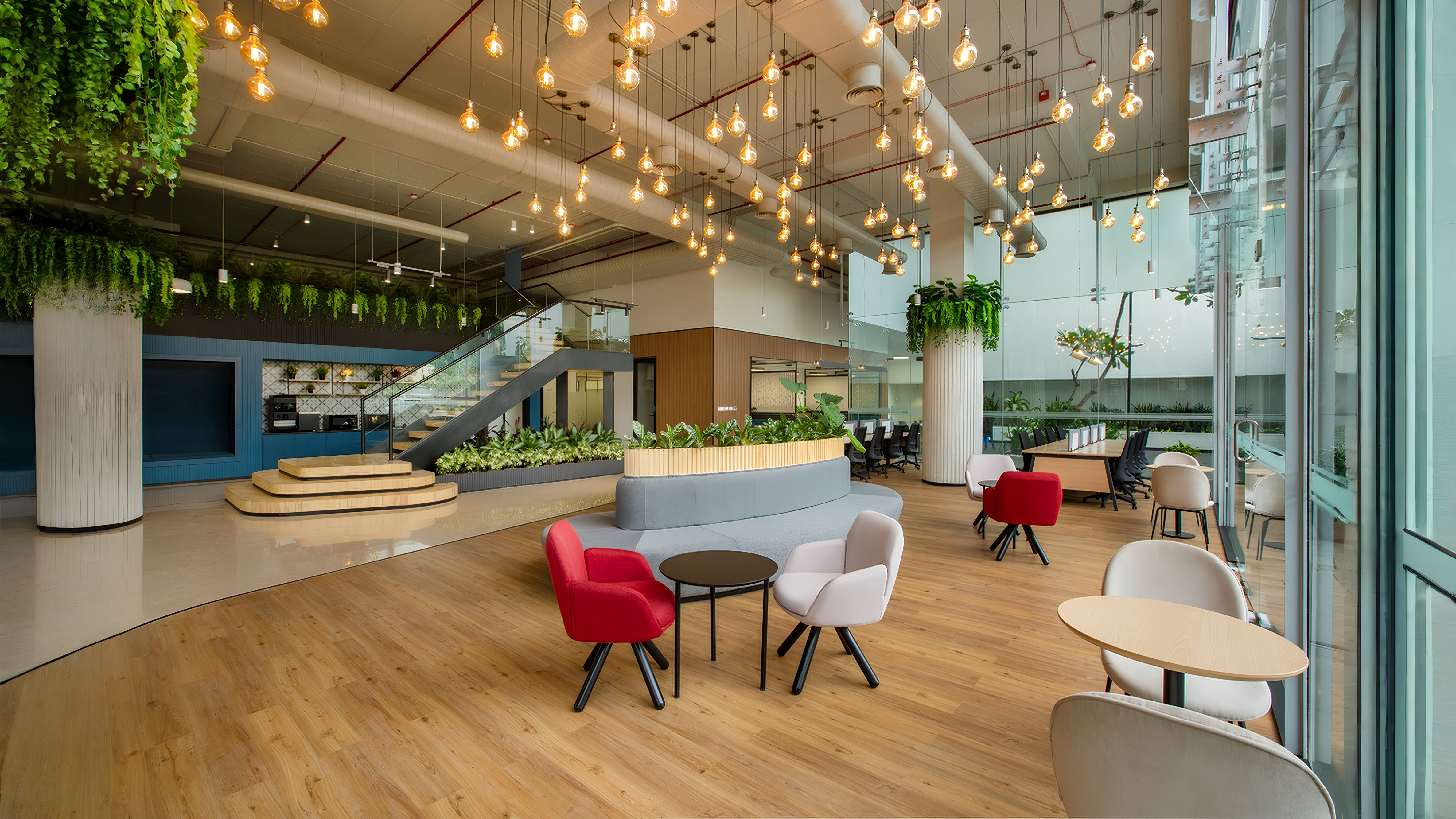
The environmental case is bigger than renewable certificates and recycling bins, and it's decided long before procurement. How a floor is oriented, whether daylight does the work of the lights, what the materials off-gas, and whether the air handling responds to who's actually in the building, these are design choices, and they set the running cost of the space for as long as it operates. Handled at the brief stage, sustainability stops being a premium and becomes a cost structure that improves every year.
The 'S' Is About Performance, Not Perks
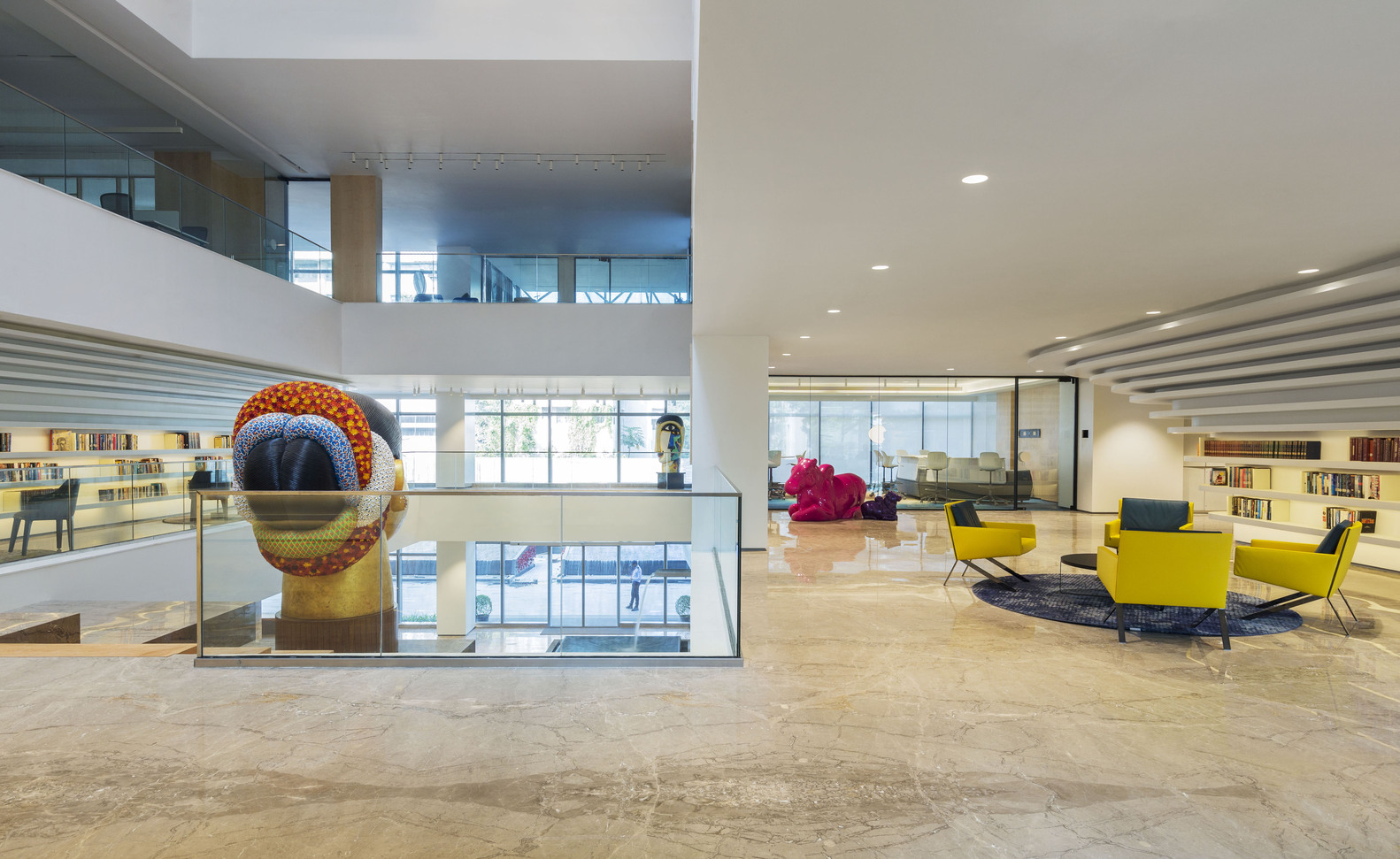
The social part of ESG, inside a workplace, comes down to how the space affects the people in it. Air quality, daylight, acoustics, and ergonomics aren't comfort line items; they show up in concentration, sick days, and who decides to stay. Designing for a wider range of people, including those who need quiet, predictable, low-stimulation settings to do their best work, isn't a courtesy. It's how you widen the talent pool and hold on to it.
The 'G' You Can See From the Door
Governance is the part people assume can't be designed, but a workplace signals it constantly. Closed corner offices and facilities data buried in a spreadsheet say one thing; open layouts, live energy and air-quality dashboards, and metering that feeds straight into reporting say another. As assurance requirements tighten, this stops being symbolic. A space built without measurement can't produce the evidence an audit needs. A space built with it can.
Retrofit Is the Expensive Way to Get Here
You can reach for most of this after the fact, but it's the expensive route. Retrofitting metering, tearing out materials that shouldn't have been specified, re-planning a floor to add the daylight that was designed out, each costs more than doing it once, and some of it can't be fixed without a full re-fit. Engineered in from the first design review, ESG is close to free. Added afterward, it becomes a project of its own.
Why Integrated Delivery Decides the Outcome
There's a practical reason ESG commitments so often don't survive to handover: when design, engineering, and construction sit with separate firms, the sustainability spec is the first thing quietly value-engineered out under time pressure. Keeping the design-to-manufacture chain under one roof is what protects it. A 1,25,000 sq. ft. in-house facility controls what physically goes into the building, so the material that reaches site is the one promised to the sustainability consultant, not a cheaper substitute nobody flagged.
What Boards and Occupiers Actually Get
For the people signing off, built-in ESG turns into things they can use: measurable progress backed by certified materials and real building data, lower running costs for the life of the asset, and evidence that stands up under assurance instead of assertions that don't. It also reads to investors weighing governance, and to the talent choosing where to work, as an organisation that means what it reports.
Conclusion
ESG that lives only on a slide doesn't lower a cost, improve a day's work, or survive much scrutiny. The version that does all three is engineered into the fabric of the workplace: the materials, the systems, and the data, from the first design review. That's the distinction worth holding onto: reported, or built. Across a 1,25,000 sq. ft. manufacturing facility and 1,900+ projects, that's the kind Ensemble sets out to build: E, S, and G designed into the walls, not filed in an appendix.