Your Most Valuable Square Feet Are the Ones You Cannot Lease
The approach, arrival plaza and lobby never appear on the rent roll, yet they shape how occupiers value everything else.

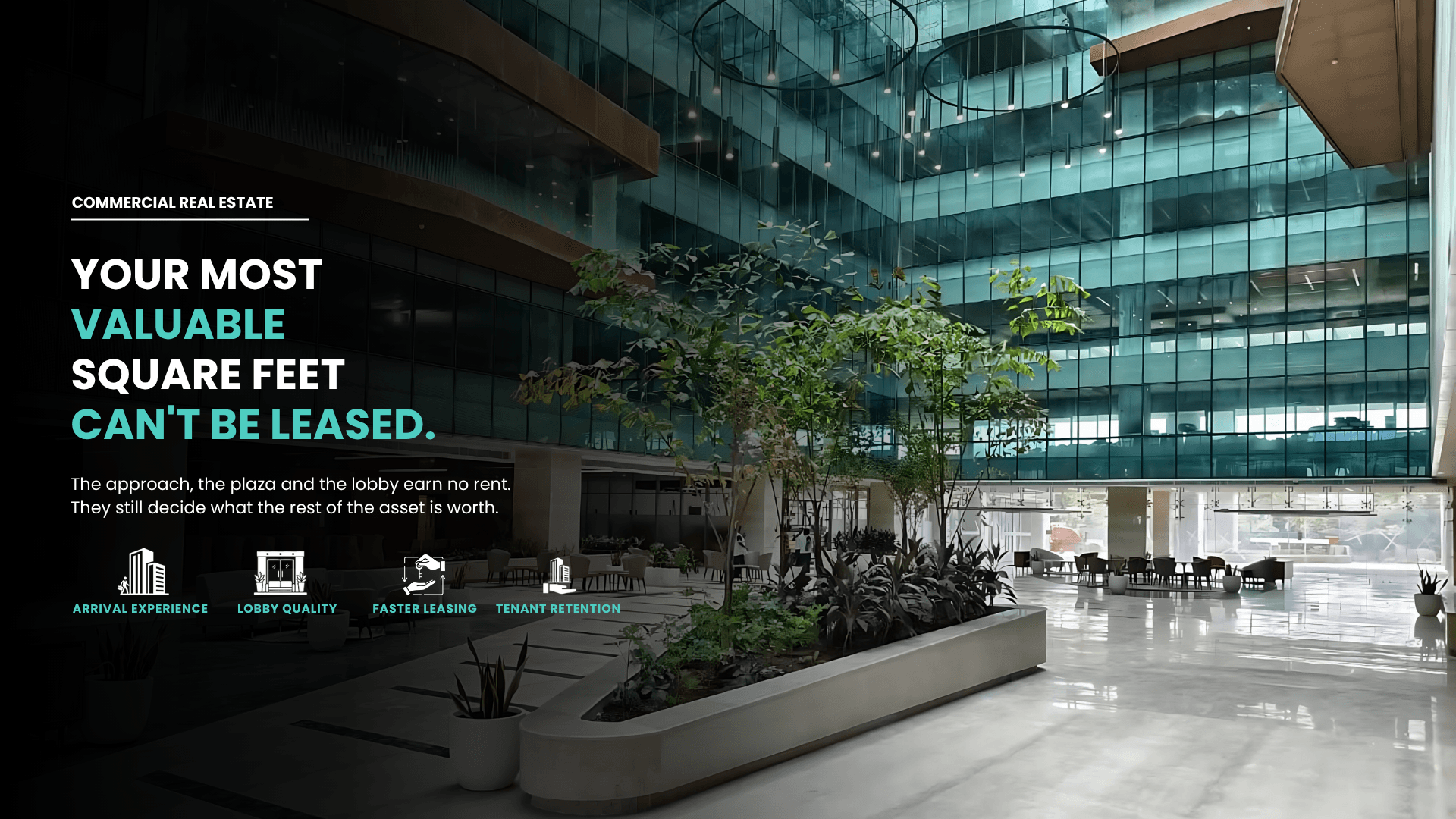
The Decision Starts at the Gate
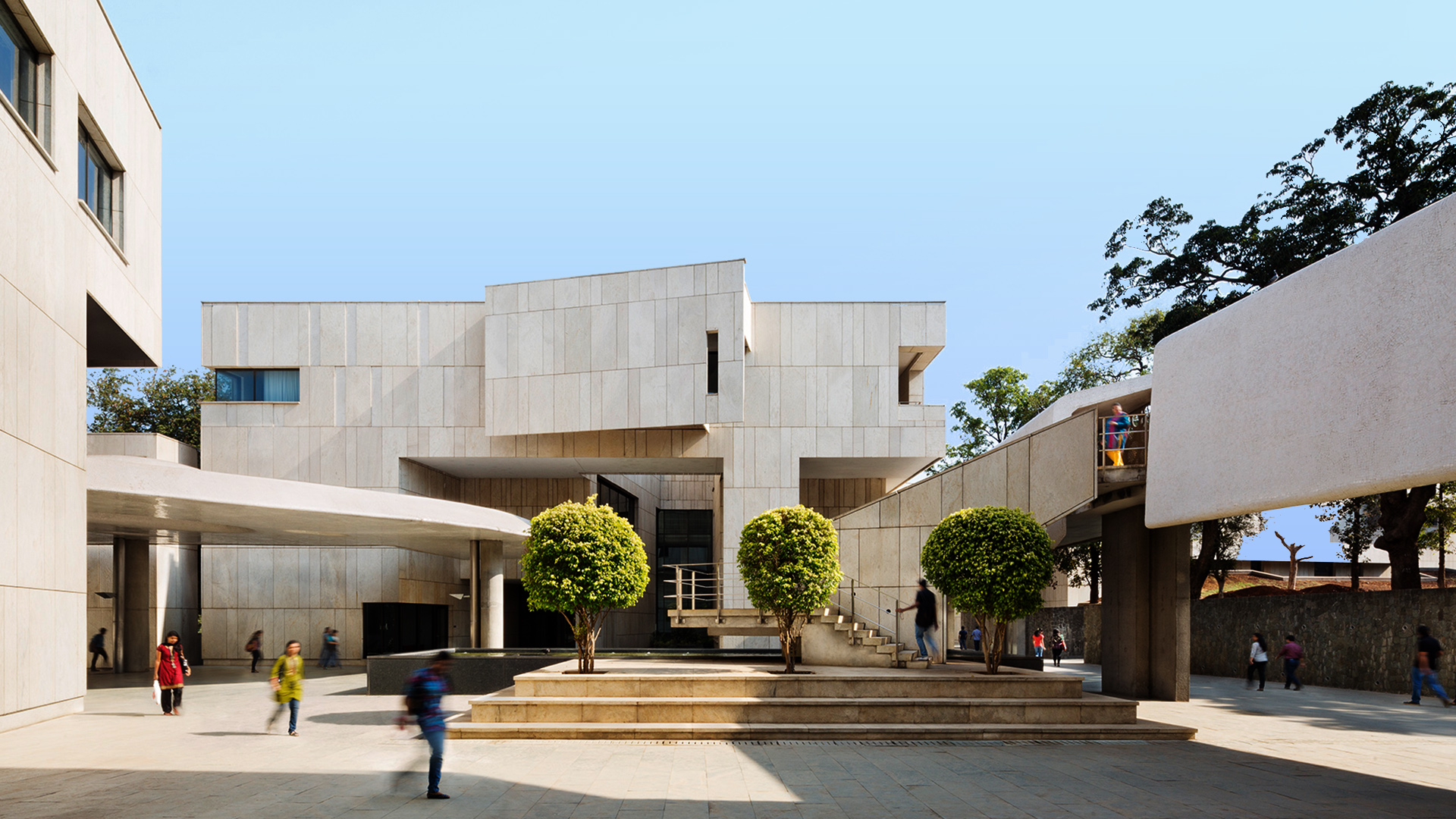
A leasing decision starts long before anyone sees a floor plan. It starts at the gate. The approach, security, drop-off and lobby earn no rent, yet they shape how an occupier values everything that follows. A prospective tenant has usually formed a view of the building before reaching the floor they came to see. That view colors how they read everything on the tour that follows. When budgets tighten, these are the first areas to be cut, because they sit outside the leasable area. The saving is immediate and easy to defend in a cost review. The cost arrives two years later as longer voids or lower rents, and by then nobody connects it back to the decision that caused it. The asset simply underperforms, and the reasons are put down to the market.
Why the Rent Roll Is the Wrong Lens
The rent roll measures what a building charges for. It does not measure what makes the building chargeable. An occupier comparing two assets at similar rent in similar locations will often find that the floor plates are close to identical, so square footage settles very little. The difference between the two buildings has to come from somewhere else. What they end up comparing is the experience of arriving, working and hosting clients in each building. The non-leasable area is where most of that difference lives. It is the part of the building every occupier shares and every visitor sees, and it is the part the rent roll leaves out. That omission makes the arrival easy to cut and hard to defend in budget discussions. Spending on it looks discretionary, even when the return is not.
The Argument Is Made Before the Lift
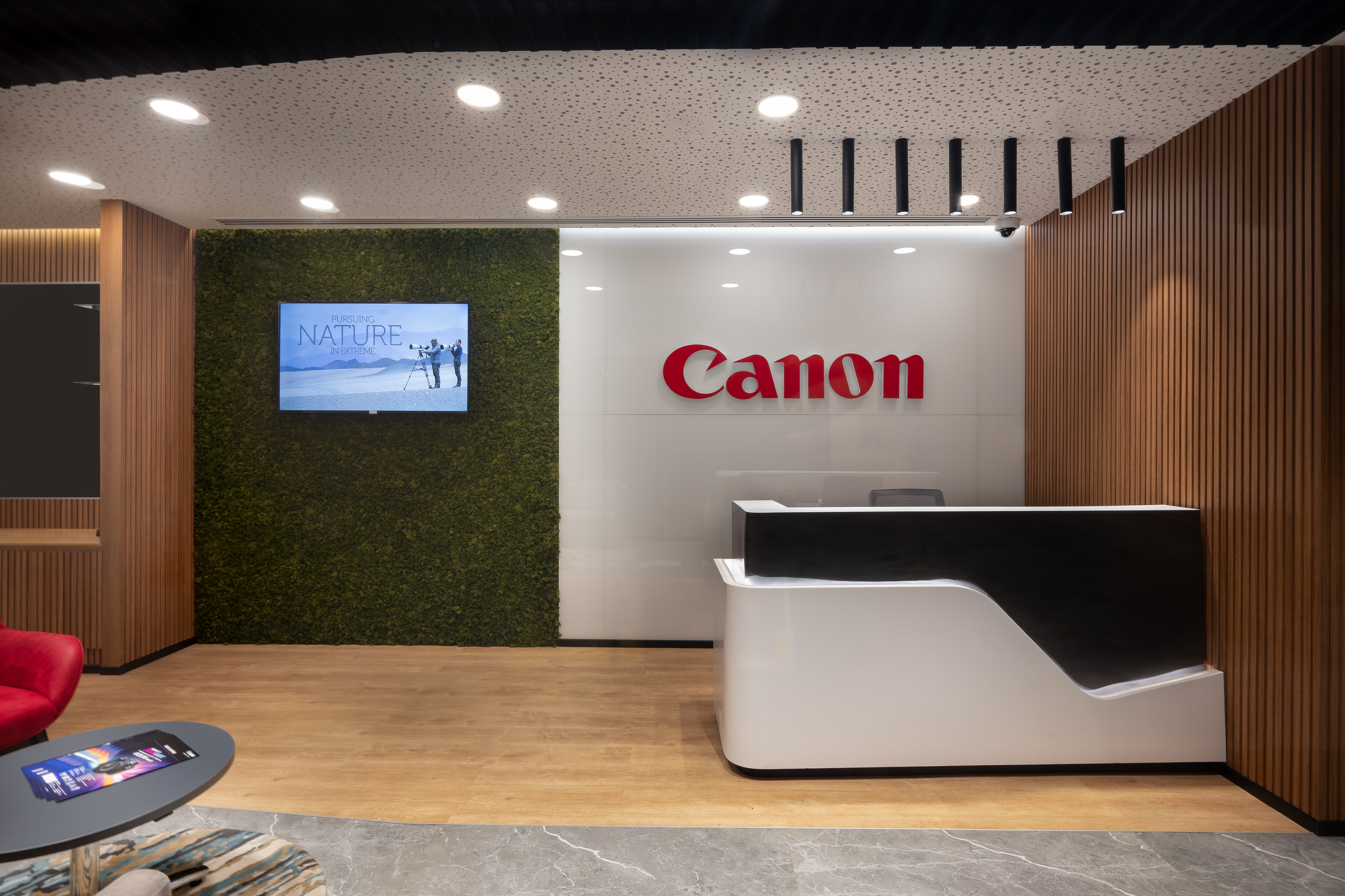
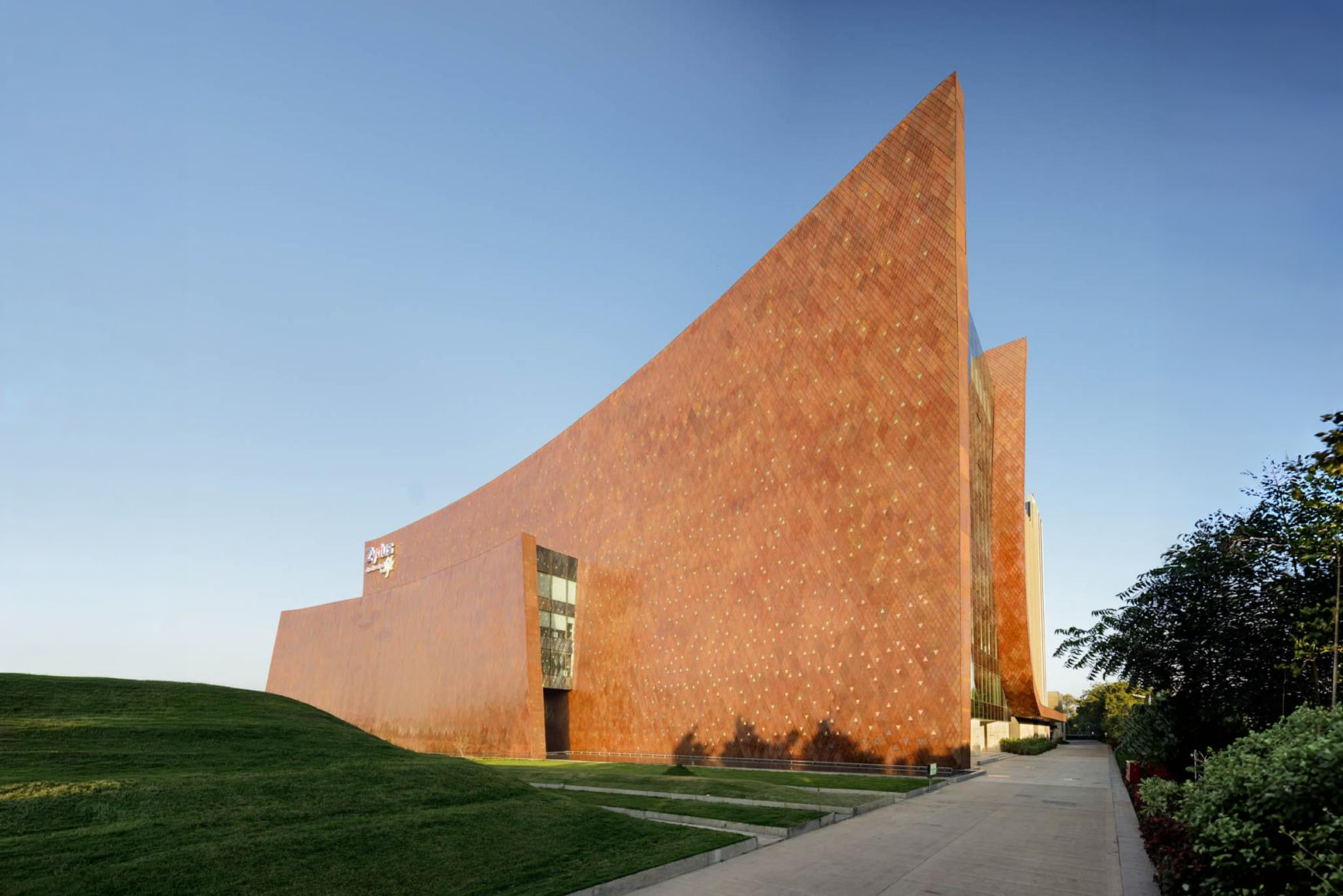
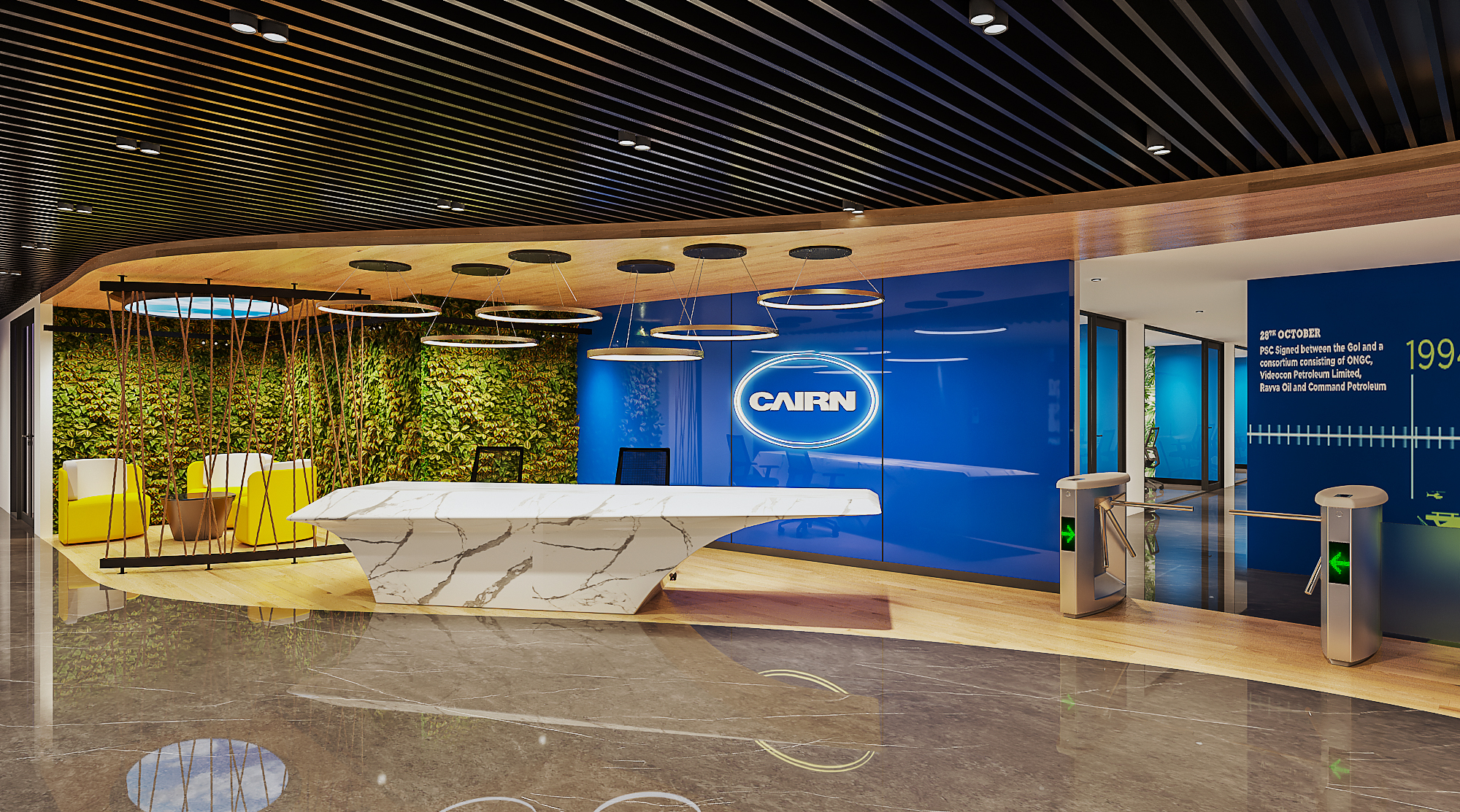
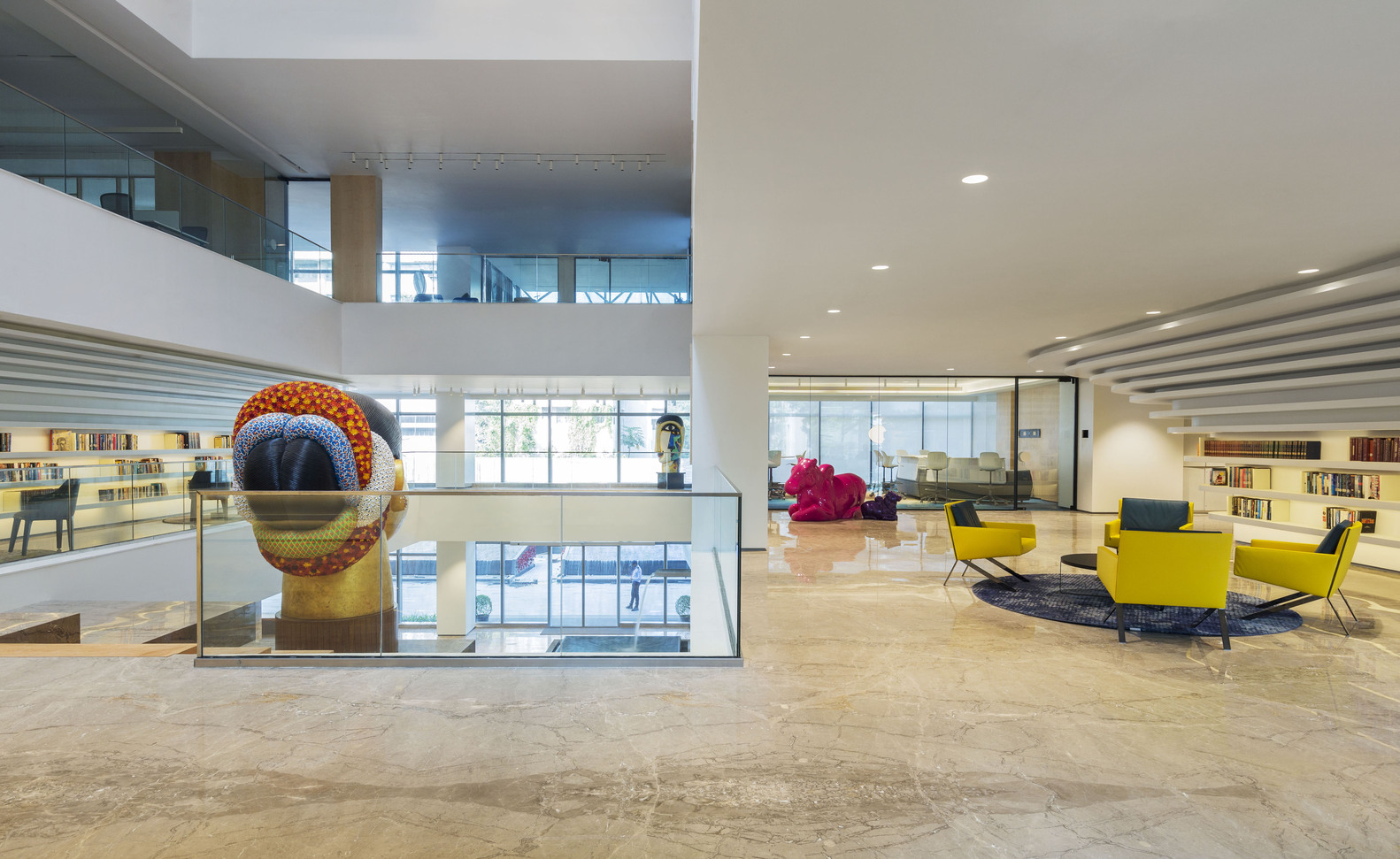
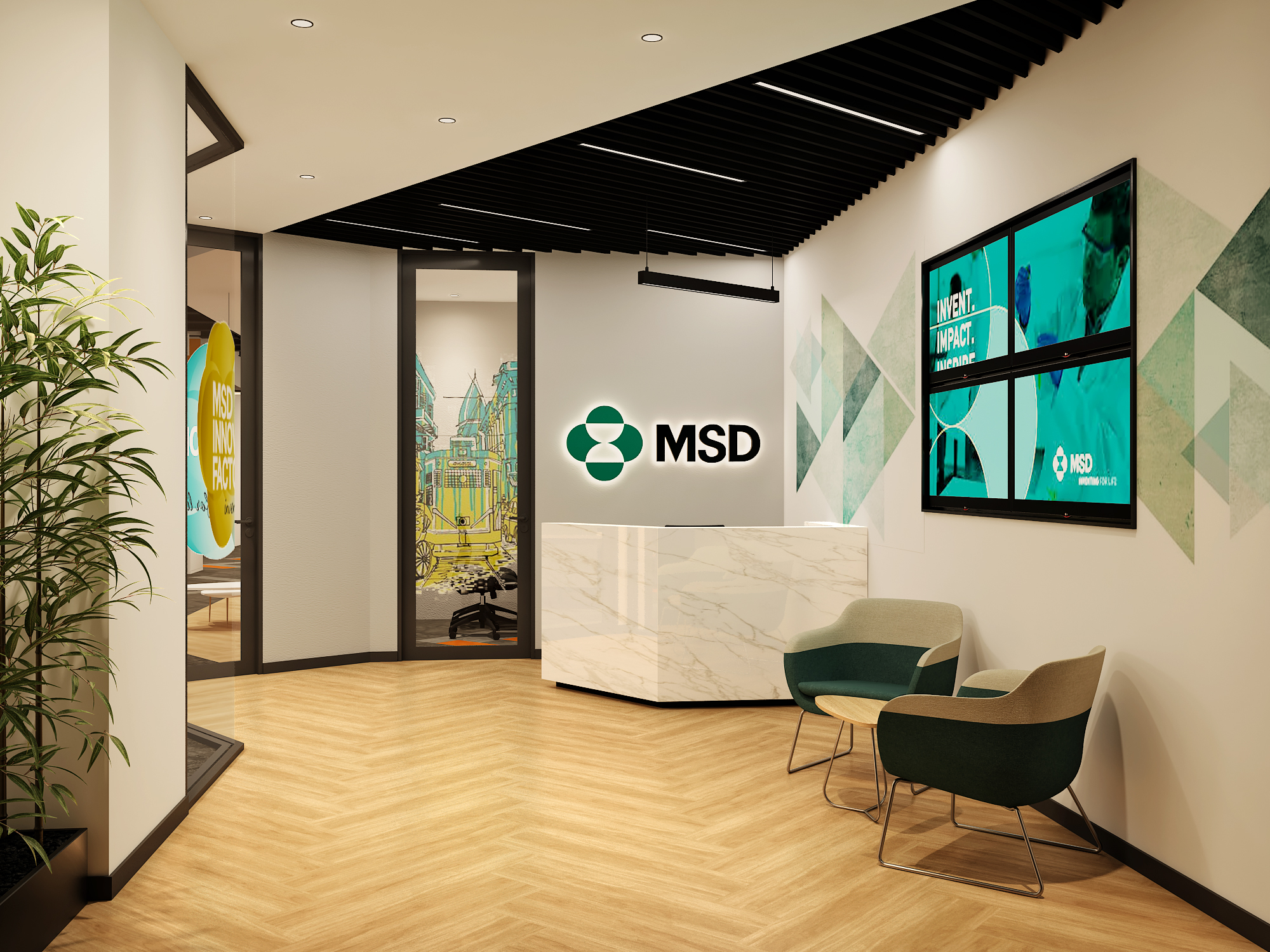
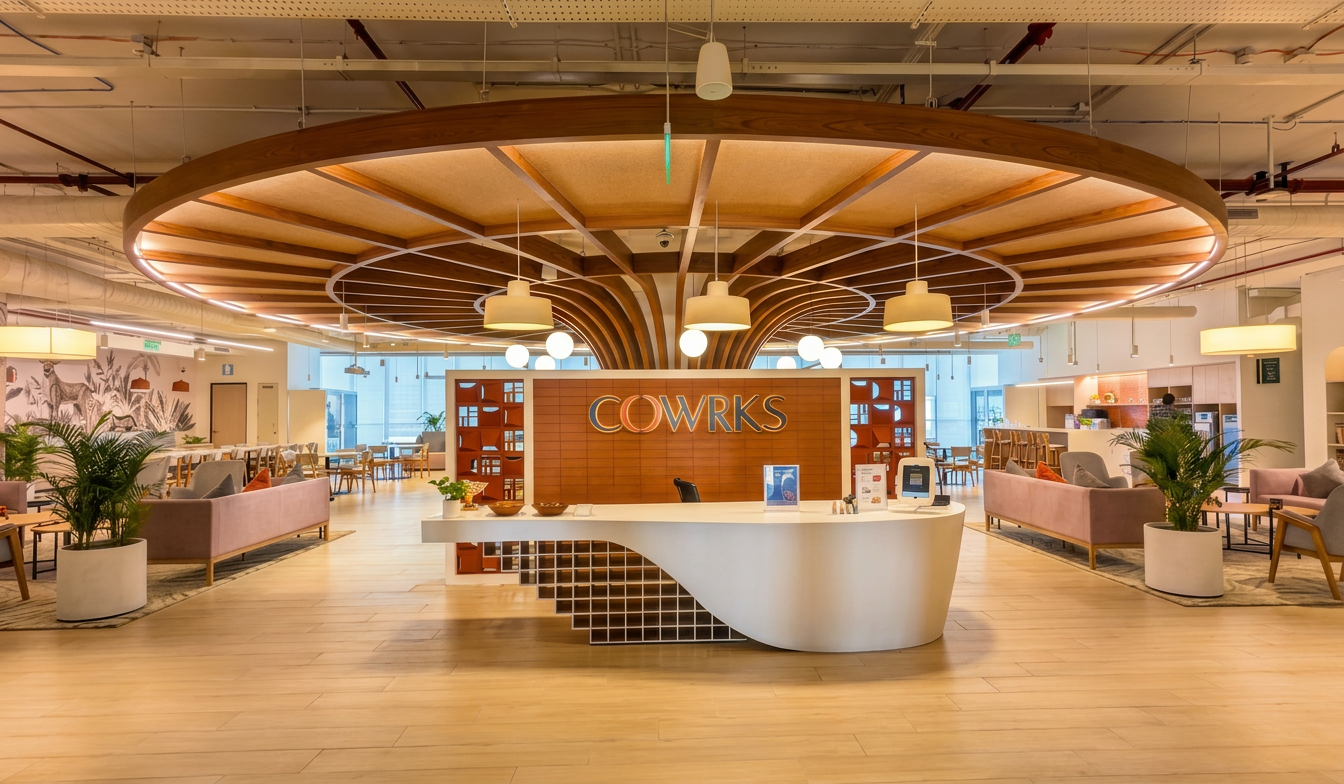
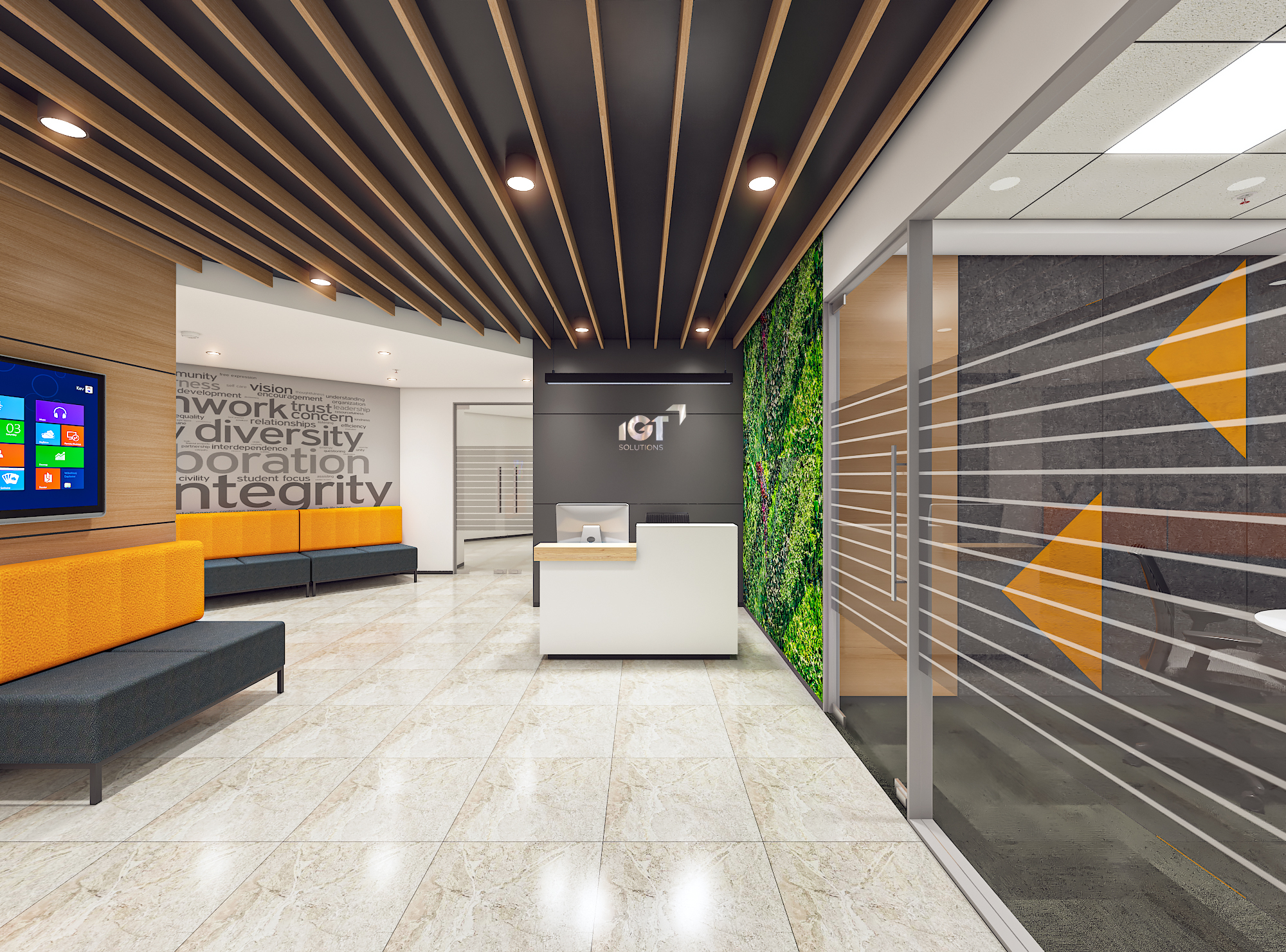
Prospective occupiers form a judgement in the first two minutes. They take in the approach road and signage, whether security is efficient, whether the drop-off works in rain, the proportion and light of the lobby, and whether the building is properly maintained or simply cleaned for the visit. Each of these is read as evidence of how the asset is run. Visitors use it to judge how management will respond when something breaks, and how the common areas will look in year five. In the absence of proof, people reason from what they can see, and the arrival sequence is the first thing they see. A well-run arrival tells them the rest of the building is likely to be run the same way.
What Occupiers Are Really Buying
Occupiers ask how a building supports their people, culture and brand. For companies competing for talent, the building is part of the recruitment offer, and candidates notice it on the way to their interview. For those hosting clients, arrival is the first chapter of their brand story, told before anyone has said hello. A poor arrival undercuts the brand before the meeting starts. For organisations bringing people back three days a week, arrival is either a reason to come in or a friction repeated two hundred times a year. A slow security line or a drop-off with no cover is a small irritation once. Repeated across a year and a whole workforce, it shapes how people feel about coming to the office at all.
The Numbers That Move
Experience shows up in leasing velocity, pricing power in soft markets, occupancy stability and renewal rates. It also affects the incentives needed to close a deal. A rent-free period conceded to win a tenant often exceeds the capital saved by simplifying the arrival in the first place. The capital saving is made once, while the pressure on incentives returns whenever the space is let. These effects flow into net operating income and valuation, and they recur at every lease event. A great arrival will not carry a weak building. A weak arrival can undermine a strong one, by giving occupiers a reason to discount everything they see after it. Owners rarely see this connection in their reports, because the cost shows up in leasing terms rather than in the capital budget.
Arrival Is a Sequence
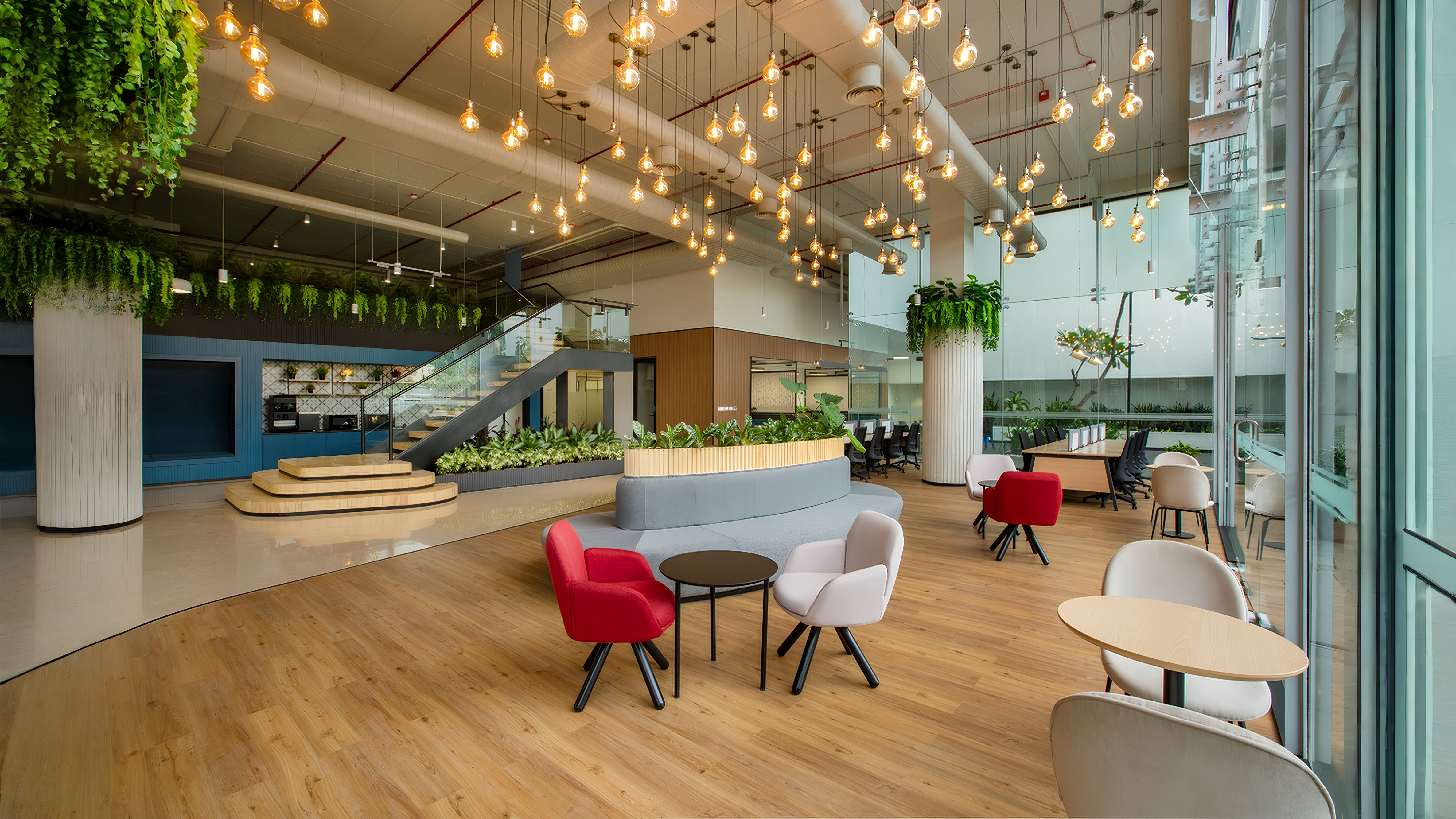
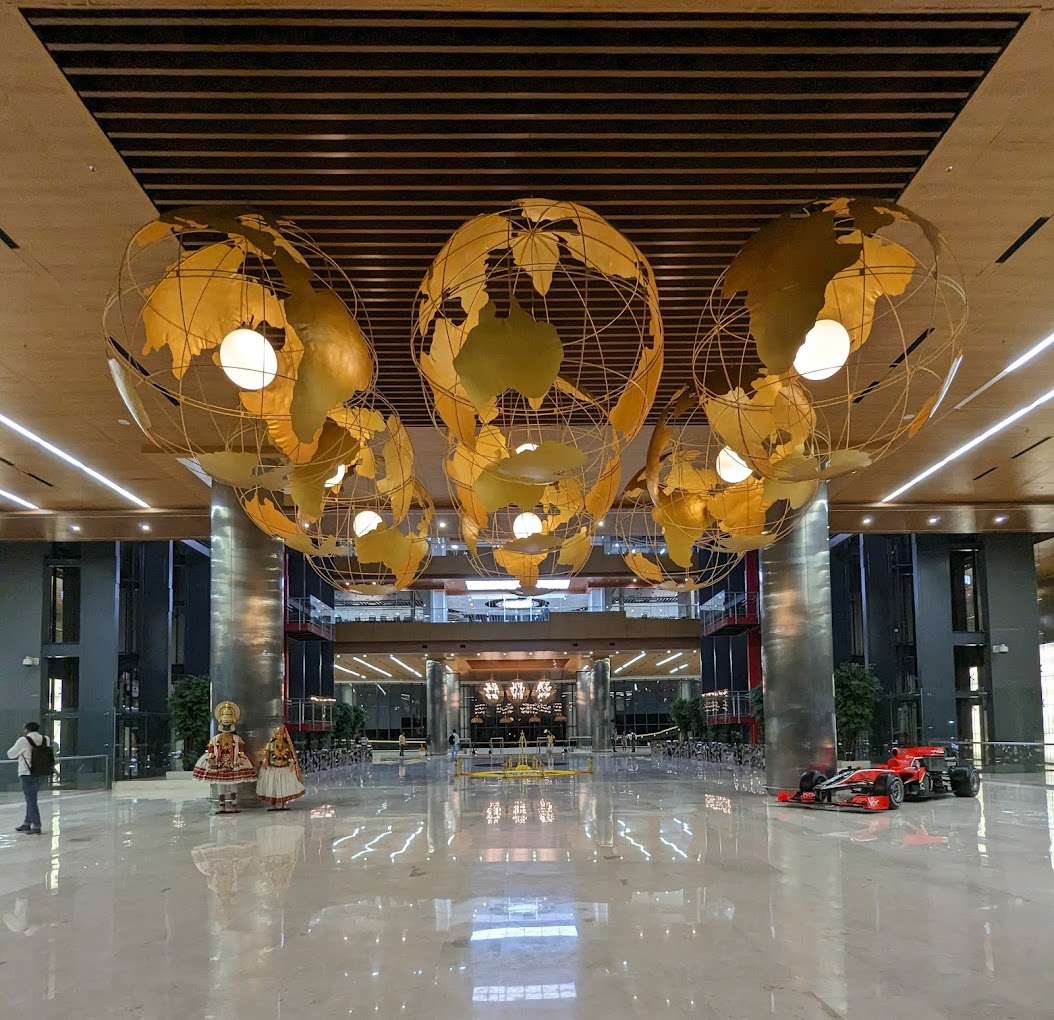
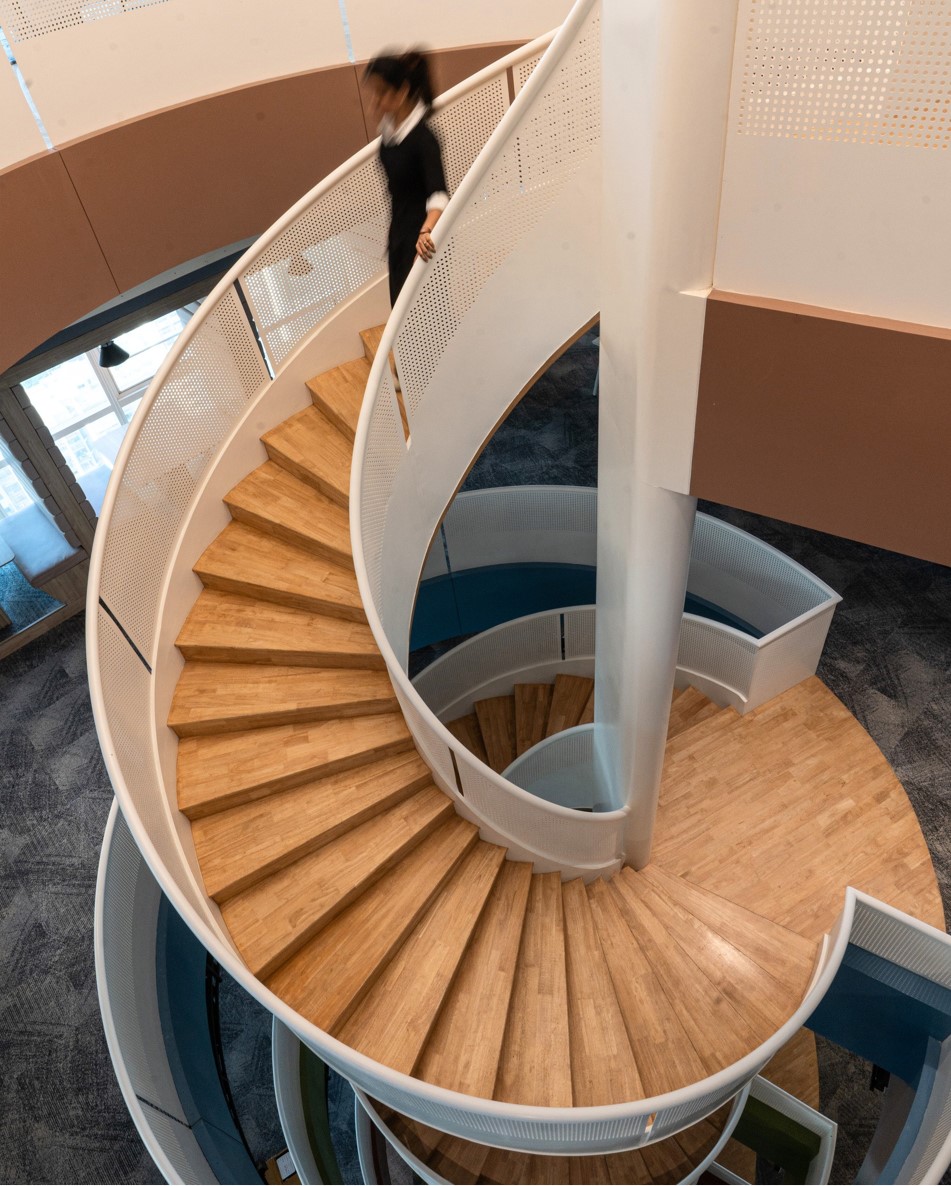
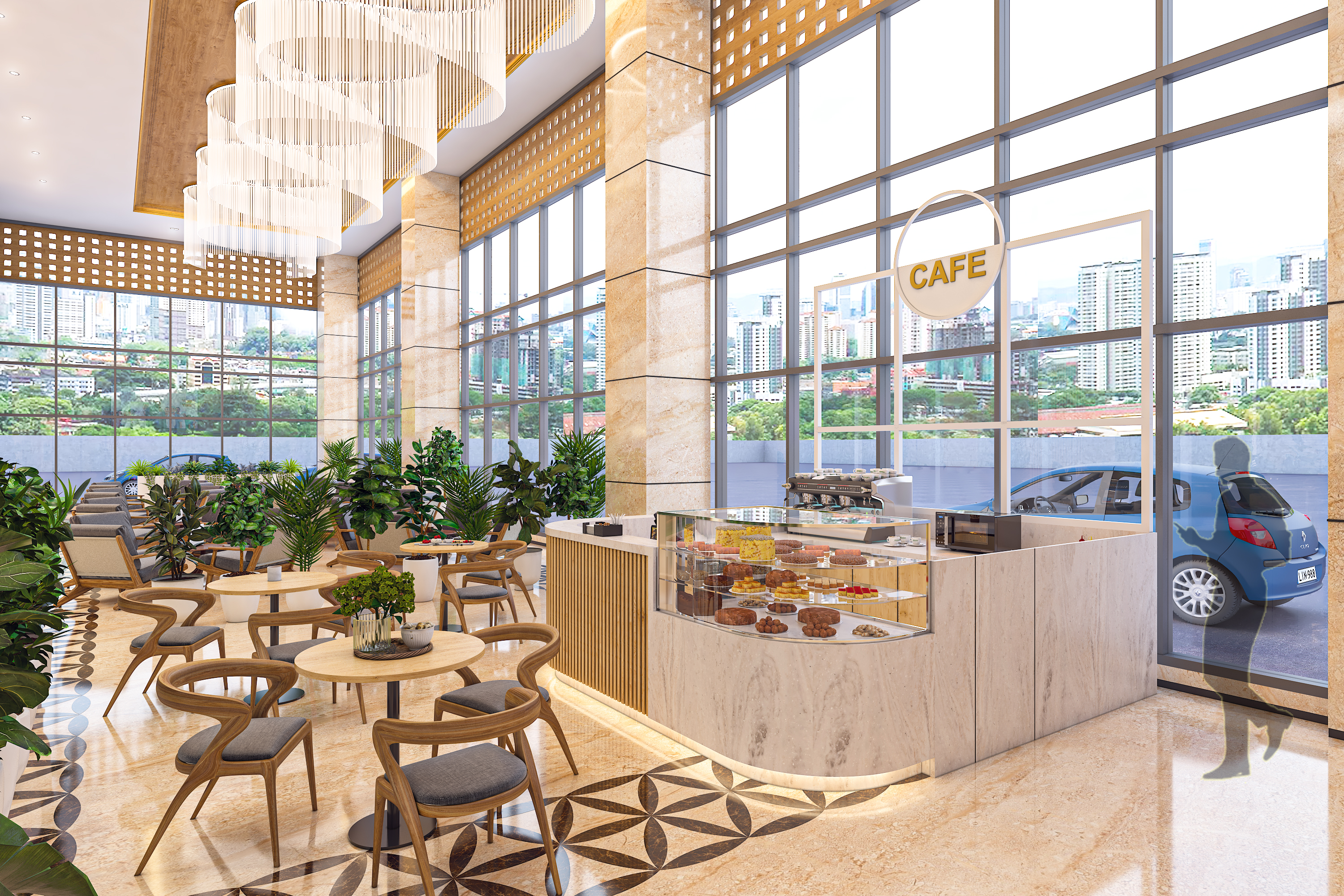
Arrival runs from the approach road all the way to the lift lobby on the tenant's own floor. Impressions are set by the weakest link in that chain rather than the average. An impressive lobby reached across an unmanaged car park underdelivers, because the car park came first. Visitors judge the whole journey, and they remember its worst moment more clearly than its best. Returns concentrate in a few areas: proportion and volume, daylight and lighting quality, material integrity at points of contact, acoustic control and precise junctions. A modest budget spent on these beats a large one spent on feature walls. Visitors may not remember the artwork, but they notice a door handle that wobbles or a lobby that echoes.
Design for Operation and Retrofit
Experience is delivered daily, so design for the maintenance regime the asset actually has. Materials that need specialist cleaning will not get it, and they will look worn long before their time. For existing assets competing with newer stock, upgrading the arrival sequence is often the highest-return intervention available. It can be phased around sitting tenants, with careful dust, noise and access control, so the building keeps working while it improves.
Conclusion
The spaces you cannot lease may be the ones that make every leasable square foot worth more. They set expectations and influence velocity, pricing and retention long after the capital is spent. Across 1,900+ projects at Ensemble, one pattern has held: arrival is never neutral. Asking whether the lobby is worth the cost misses the point. The better question is what commercial outcome these spaces create, and what it costs when they fail.