The Office Isn't Dead. It Just Has to Earn Its Commute.
The question isn't whether employees will come to the office. It's whether the office gives them a good enough reason to.

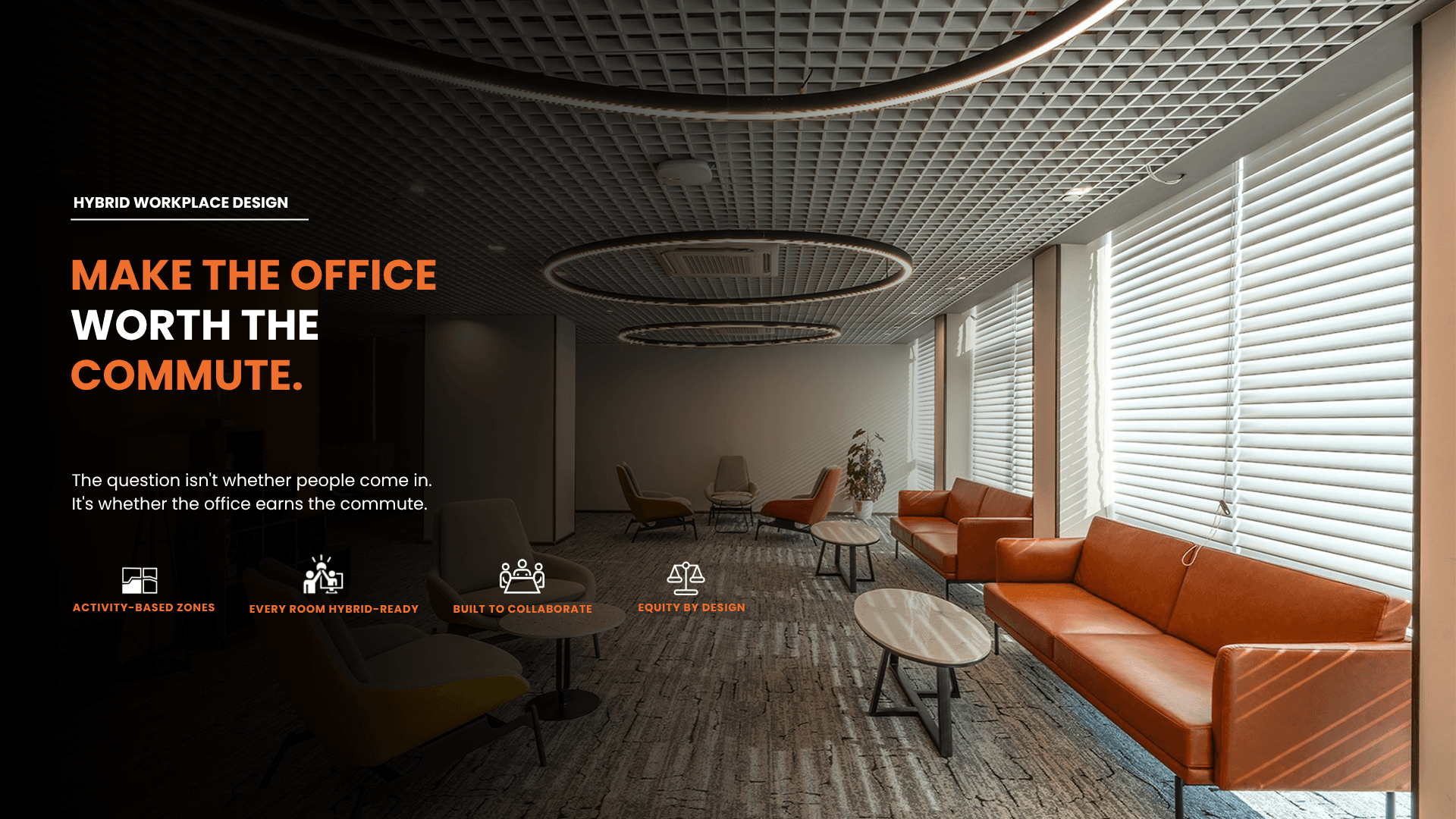
Introduction: The Debate Is Over, the Question Isn't
The debate that absorbed so much energy between 2020 and 2023 has settled into something less dramatic. The office is not dead, remote-first is not the future for every organisation, and mandatory attendance has not worked as an answer either. What is happening instead is a renegotiation. Employees are asking what the space is actually for, which is a reasonable question, and the organisations answering it well are winning on culture, productivity and talent.
What the Office Used to Be
For most of the last century the office existed because the work was there: the files, the colleagues, the tools. That logic has gone. Files sit in the cloud, meetings happen on screens, and focused individual work travels almost anywhere. The office has lost its monopoly on work, so it now has to offer something other locations cannot.
What the Office Needs to Become
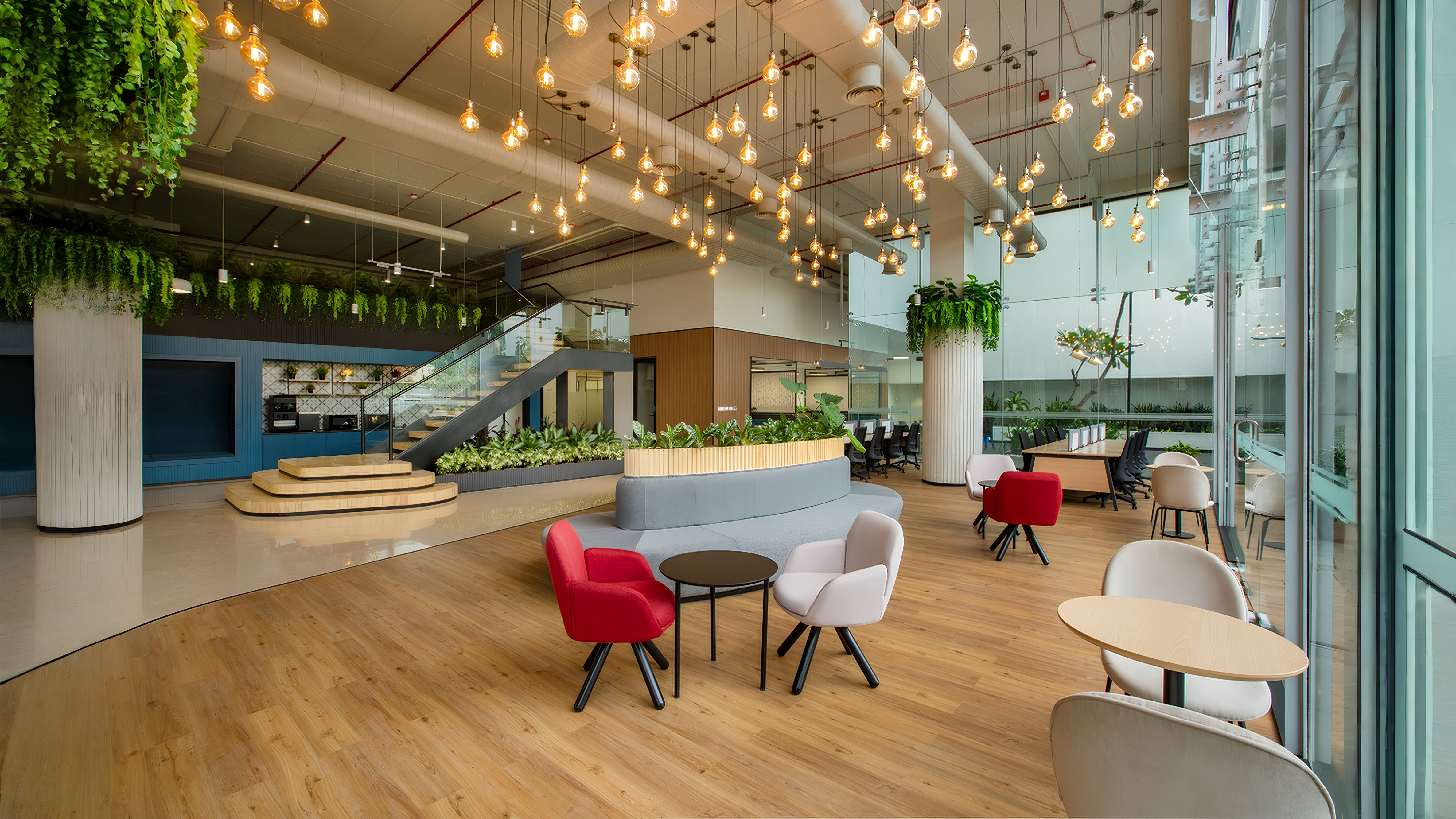
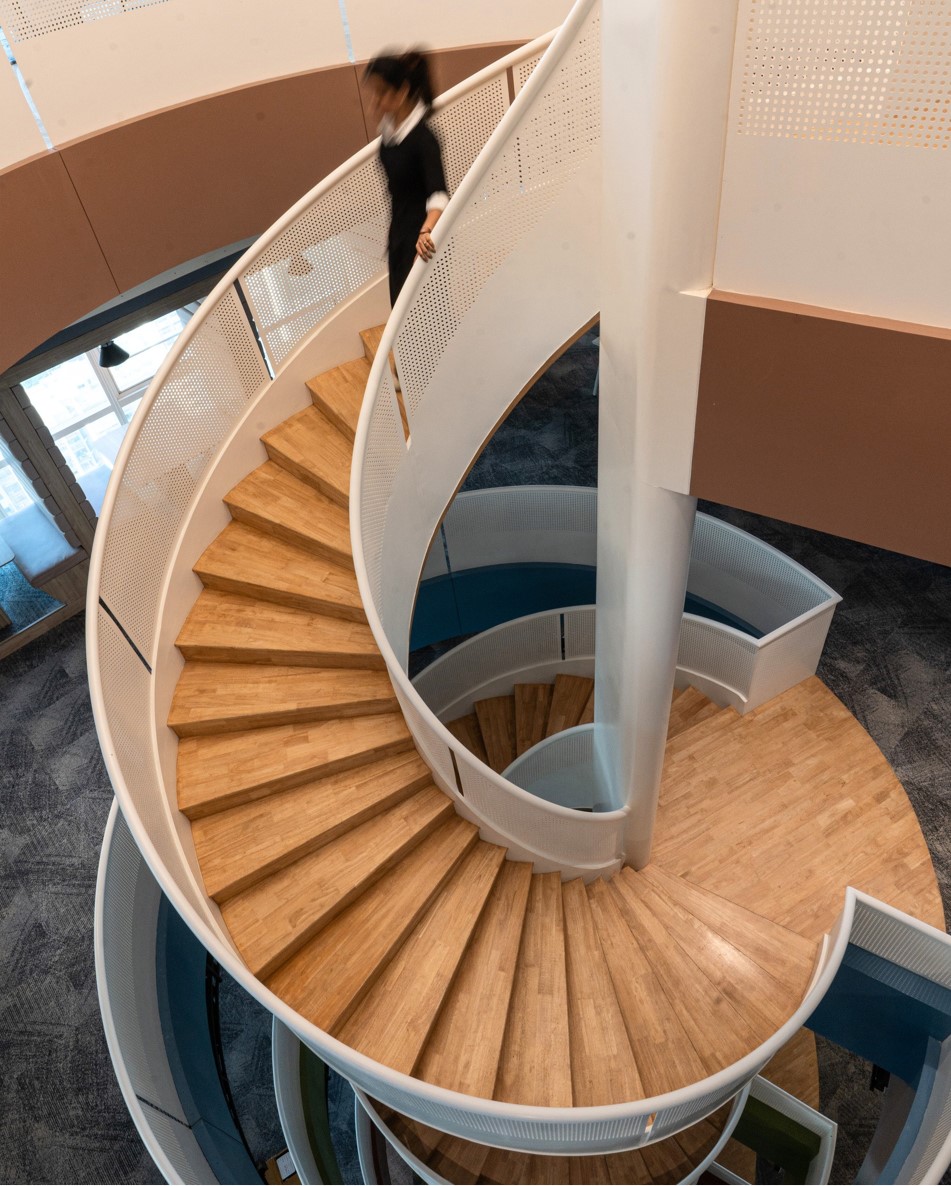
Three things bring people in voluntarily: collaboration, culture and serendipity. Collaboration means shared physical presence and real-time iteration. Culture is the felt sense of belonging, carried through materials, light and incidental encounters. Serendipity is the unplanned conversation that redirects a project, nearly impossible to engineer digitally and exactly what well-designed space produces on its own.
Design for Activities, Not Desks
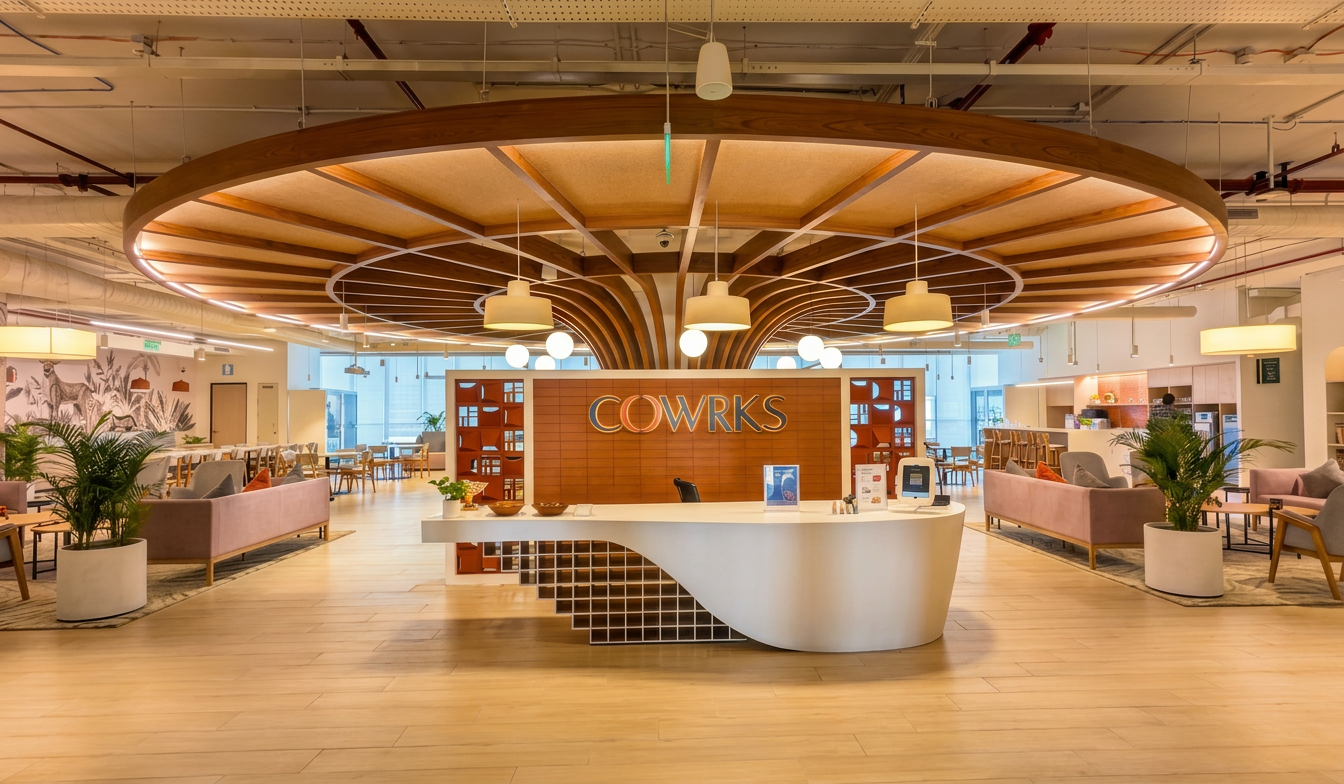
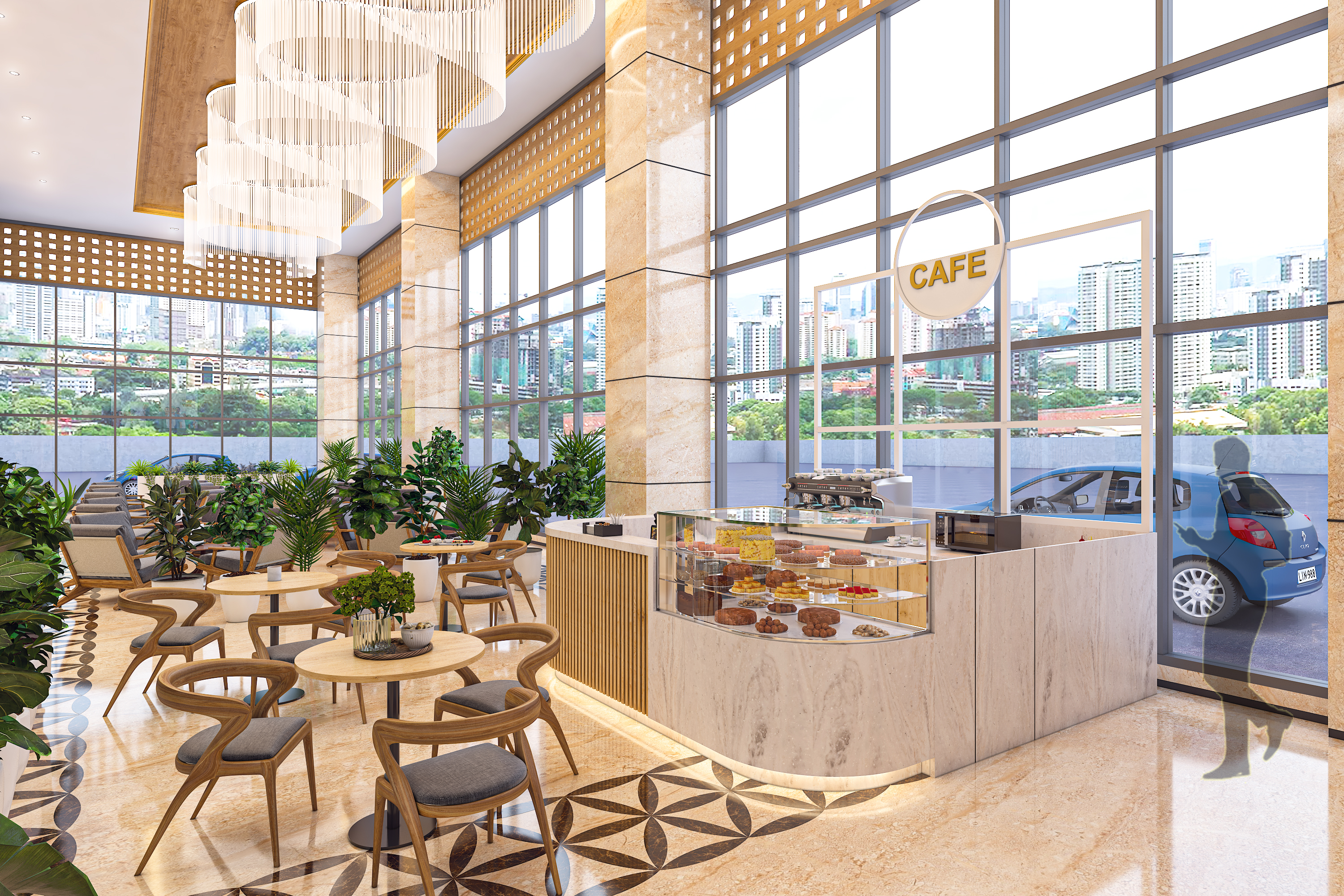
If the office is a destination rather than a default, the plan has to reflect it: fewer fixed desks, more intentional zones. Deep focus, collaborative ideation, informal exchange and structured presentation are different activities with different spatial needs, and a fixed-desk layout treats them as one. Designing for each of them deliberately is what separates a working hybrid workplace from a half-empty traditional one.
Every Meeting Room Is a Broadcast Studio
The biggest equity failure in hybrid organisations is the experience gap between the people in the room and the people on the screen. Camera placement, acoustic treatment, display sizing and on-camera lighting decide whether a remote participant can follow the conversation and contribute to it. Design every meeting room as though half the participants are remote, because increasingly they are.
Booking Intelligence and Wayfinding
Someone coming in two or three days a week needs to find the right space for the day's work, see which colleagues are in, and book accordingly. Smart booking systems and digital signage are what make that possible, which puts them closer to operating infrastructure than to perks.
Designing for Equity
There is a version of hybrid work that produces a two-tier workforce: the people who are present, build relationships and advance, and the people who are remote and slowly lose ground to proximity bias. Design cannot fix that on its own. Space built explicitly to equalise the remote and in-person experience, acoustically, technologically and socially, does reduce the structural inequity that bad hybrid design creates.
Delivery Agility Matters
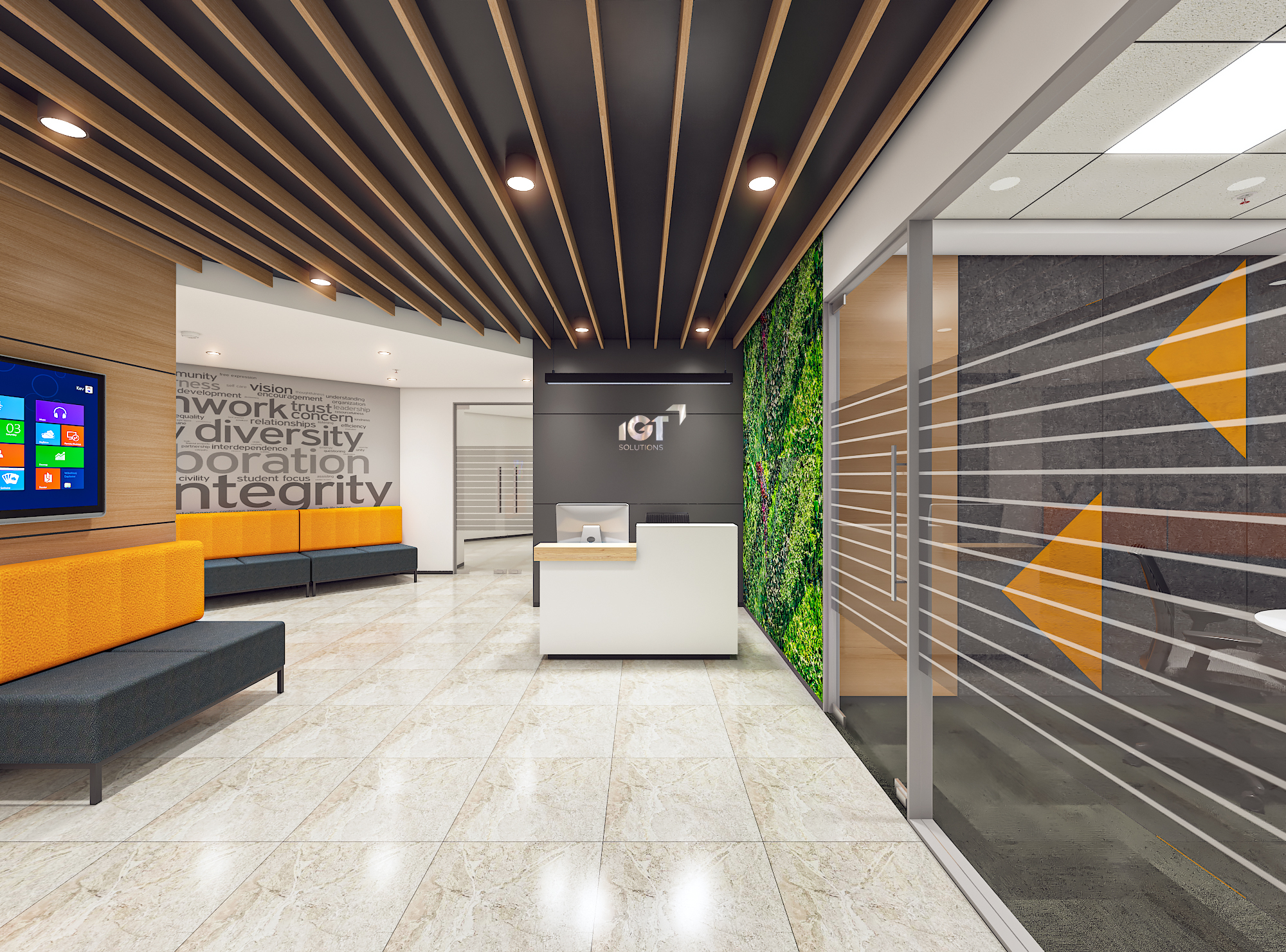
A hybrid-ready workplace only counts as an advantage if it arrives at the speed the business moves. WeWork's 31,430 sq. ft. workplace was delivered in 45 days, and Workwise's 17,000 sq. ft. build ran the same way: integrated design and build turning hybrid-ready ambition into occupied space on a real timeline.
The Organisations Getting This Right
They have stopped managing the office as a legacy cost and started activating it as a strategic asset. Their floor plans are built around intentional use cases, their technology is designed in rather than bolted on, and the employees they most want to keep show up because there is a genuine reason to. Ensemble has spent 23+ years and 1,900+ projects learning what makes an office worth the commute.
Conclusion
The office is not competing with the couch. It is competing with a bad reason to commute. Give people the collaboration, culture and serendipity they cannot get at home, design it for activity, build it for equity, and deliver it at the speed the business moves. Attendance follows from that rather than from a mandate.